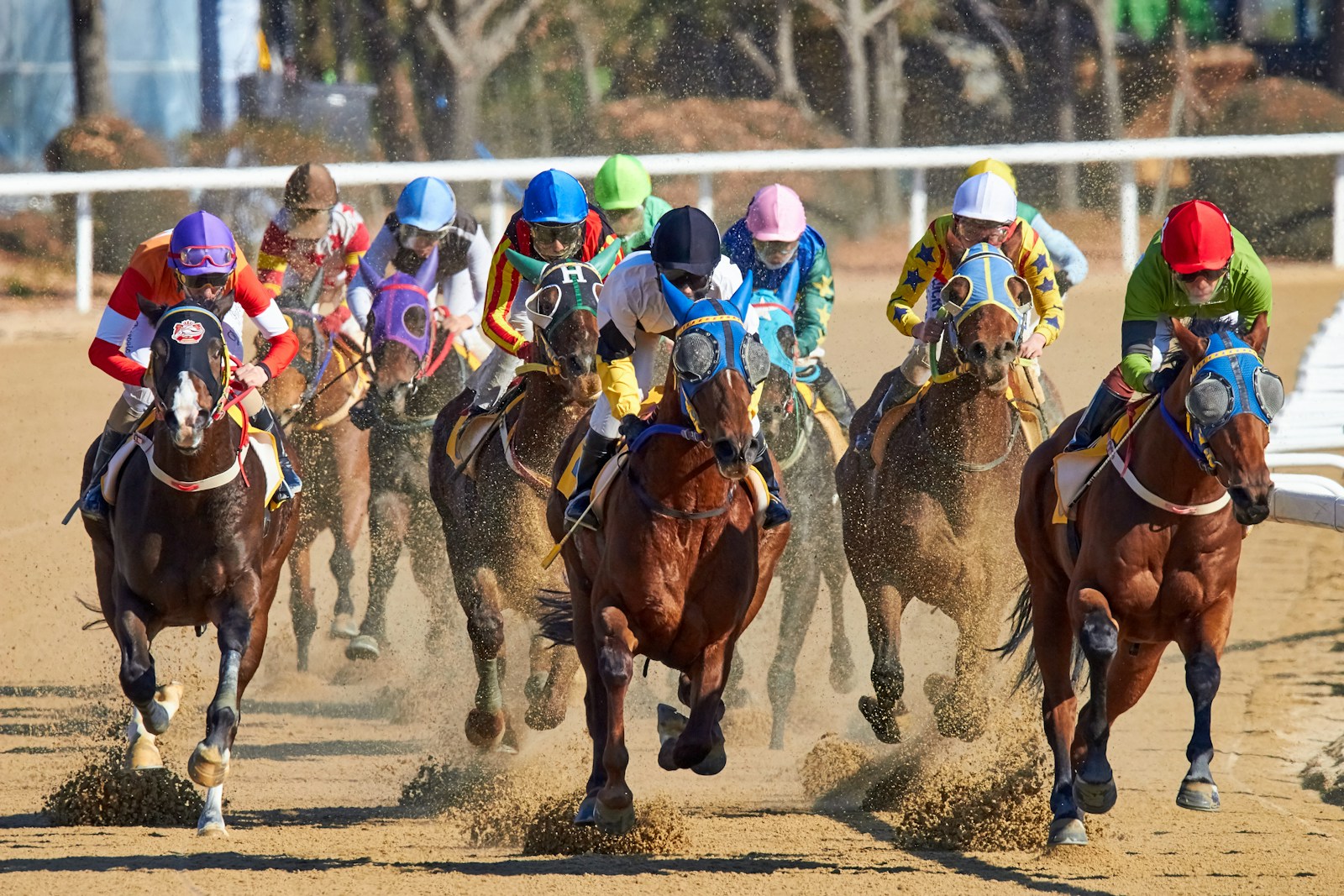

Horse racing has always fascinated me with its mix of tradition and adrenaline. The thrill of watching powerful horses thunder down the track is only part of the excitement—the real rush comes when I place a bet and wait for the outcome. But stepping into the world of horse racing bets can feel overwhelming with all the options out there.
I remember my first time at the track feeling lost among terms like win place show and exacta. If you’ve ever wondered how these different bets work or which one might suit your style you’re not alone. Let’s break down the basics so you can enjoy the action and maybe even boost your winnings next time you’re at the races.
What Are Horse Racing Bets?
Horse racing bets are wagers placed on outcomes in a race, including which horse finishes first, second, or third. I find most betting options fall into two categories: straight bets and exotic bets. Straight bets include single-horse wagers like win, place, or show. Exotic bets combine multiple horses and finishing positions in one wager, such as exacta or trifecta.
Straight bets let me focus on one horse, with options based on where the horse finishes. Win bets mean my pick must finish first. Place bets pay if my horse finishes first or second. Show bets cover first through third. Payouts for win bets tend to be highest among these.
Exotic bets involve predicting the exact finishing order of multiple horses, making them harder but offering higher returns. For example, exacta bets require picking the first- and second-place horses in order. Trifecta bets ask for the top three finishers in exact sequence. Superfecta bets increase the challenge with four horses to place in the correct order.
All horse racing bets use pari-mutuel wagering, meaning payouts depend on the pool of all bets for each type. My odds and potential returns shift based on the collective actions of bettors, not a fixed set of odds. This unique structure impacts the risk and potential reward in every bet I make.
Win, Place, and Show Bets Explained
Straight bets—win, place, and show—define the foundation of horse racing wagers. I find these bets straightforward since each involves predicting a single horse’s performance in a race.
Win Bets
Win bets focus on selecting the horse that finishes first. I only collect winnings if my chosen horse crosses the line ahead of every other runner. Because the requirement is so strict, these bets generally deliver the highest payouts among straight bets. For example, a $2 win bet at odds of 4/5 pays $4.60 if my horse wins, combining my stake and winnings.
Place Bets
Place bets depend on the horse finishing in either first or second position. I win as long as my selection ends up in one of those top two spots. Place bets offer a greater chance of success than win bets and, typically, payouts reflect that lower risk with smaller returns. Tracks often allow place bets only in races featuring five or more runners.
Show Bets
Show bets broaden the range of winning outcomes to first, second, or third. I gain a payout if my horse finishes in any of these top three positions, though the payout is lowest since three possible results count as a win. These bets appeal to risk-averse players seeking frequent, smaller rewards. Combining win, place, and show together as an “across the board” bet covers all three outcomes but increases the total wager accordingly.
Exotic Bets in Horse Racing
Exotic bets in horse racing ask me to predict the order of finish for multiple horses in a single race or across several races. These bets introduce added complexity compared to straight wagers but increase excitement with the potential for higher payouts.
Exacta Bets
Exacta bets in horse racing involve picking the first and second place finishers in the exact order in one race. For example, if I bet an exacta on horses #3 and #7, I win only when #3 takes first and #7 takes second. Exactas typically offer better payouts than straight bets but more modest returns than other exotic wagers, making them popular entry points for beginners who want to try more advanced bet types.
Trifecta Bets
Trifecta bets raise the stakes by requiring me to predict the first three finishers in precise sequence. A successful trifecta, such as #2 first, #6 second, and #9 third, returns significantly larger winnings due to the reduced probability of a correct guess. Some tracks and events refer to these as “triples” or “big triples,” with odds and payouts reflecting their greater challenge.
Superfecta Bets
Superfecta bets challenge me to select the top four finishers in perfect order, further lowering the odds but delivering high payouts. In certain high-profile races or large fields, a $1 superfecta can return amounts exceeding $1,000. The steep difficulty appeals to those who accept high risk for the potential of a substantial reward.
Exotic options, like the exacta, trifecta, and superfecta, create additional layers of strategy and anticipation for bettors ready to move beyond simple win, place, and show wagers.
Multi-Race Bets and Their Appeal
Multi-race bets in horse racing combine prediction skill and risk management with the potential for much higher payouts than single-race wagers. I find these bets deliver more suspense and strategy, as the outcome depends on consecutive race results, not one.
Daily Double
Daily Double bets require me to pick the winner of two back-to-back races. I can increase my chances by selecting multiple horses in each race, but each added pick multiplies the ticket cost. For example, choosing three horses in the first leg and four in the second creates twelve combinations and a $12 bet for a $1 base wager. I often use a “single” or one strong pick in at least one leg to control expenses. Daily Double bets offer better returns than many straight wagers, since fewer bettors manage to call both winners exactly.
Pick 3, Pick 4, and Beyond
Pick 3, Pick 4, Pick 5, and Pick 6 bets extend the Daily Double by asking me to select winners of three, four, five, or even six consecutive races. My risk and reward go up with each added race.
- Pick 3 covers three races in a row. I see this offered as a “rolling” option, letting me start a new bet every race, keeping engagement high.
- Pick 4 requires four winners in sequence and often appears twice per race day. This raises both difficulty and potential payout, pushing me to balance risk across more legs.
- Pick 5 becomes attractive for its low base wager, typically $0.50, which means big potential payouts even with small total bets. Many bettors target Pick 5 pools for a high return on investment.
- Pick 6 asks me to get six straight winners, making it both the toughest and richest betting challenge. With base costs starting at $2, multiple horse combinations end up expensive. Some tracks now offer “jackpot” Pick 6 pools with a $0.20 base, carrying over the prize to build some of the sport’s largest betting pools if only one winning ticket exists.
These multi-race bets give me more ways to build tickets and use betting strategy, but they demand disciplined horse selection. The risk rises with complexity, making every decision more pivotal to chasing those elusive big paydays.
Tips for Choosing the Right Bet
Selecting the right horse racing bet depends on my budget, risk tolerance, and experience with different wager types. Straight bets like Win, Place, and Show give me the most straightforward options if I’m new or want a greater chance of picking a successful ticket. I get the highest likelihood of cashing out with Show bets—since these allow any top-three finish—though the payout drops compared to Win or Place.
Exotic bets like Exacta, Trifecta, and Superfecta offer higher potential payouts but demand that I correctly predict the finishing order of multiple horses. I usually consider these if I have a solid understanding of the horses’ recent performances and can manage the increased risk. Boxing my selections boosts my odds by including more combinations, though my total stake increases.
Multi-race wagers—such as Pick 3, Pick 4, Pick 5, or Pick 6—present some of the biggest payouts at the track. I look at these only when I can confidently handicap several consecutive races. Building a ticket using more horses in each leg raises the price but increases coverage and my odds of staying alive.
Sticking with straight bets suits me when I want a budget-friendly, gradual approach. Moving to exotic or multi-race options makes sense once I’ve gained experience and am ready to pursue larger wins. I always check minimum bet amounts and consider track takeout rates to gauge how much of the betting pool gets paid out. I focus on researching odds, recent form, and track conditions for each horse, as these factors consistently influence returns in every bet type I choose.
Conclusion
Horse racing bets can seem overwhelming at first but with a little guidance and practice anyone can find their comfort zone at the track. I find that understanding the different betting options not only makes the races more exciting but also opens up opportunities for smarter wagering.
No matter your experience level or risk appetite there’s a bet that fits your style. Take your time learn the basics and don’t be afraid to experiment as you grow more confident. The thrill of the race is always better when you know how to play the odds to your advantage.